Developers vs. Product Managers: Why the Tension Exists (and How to Fix It)
Superthread founder David explores the root causes of tension between Engineering and Product teams and how the right tools can bridge the gap
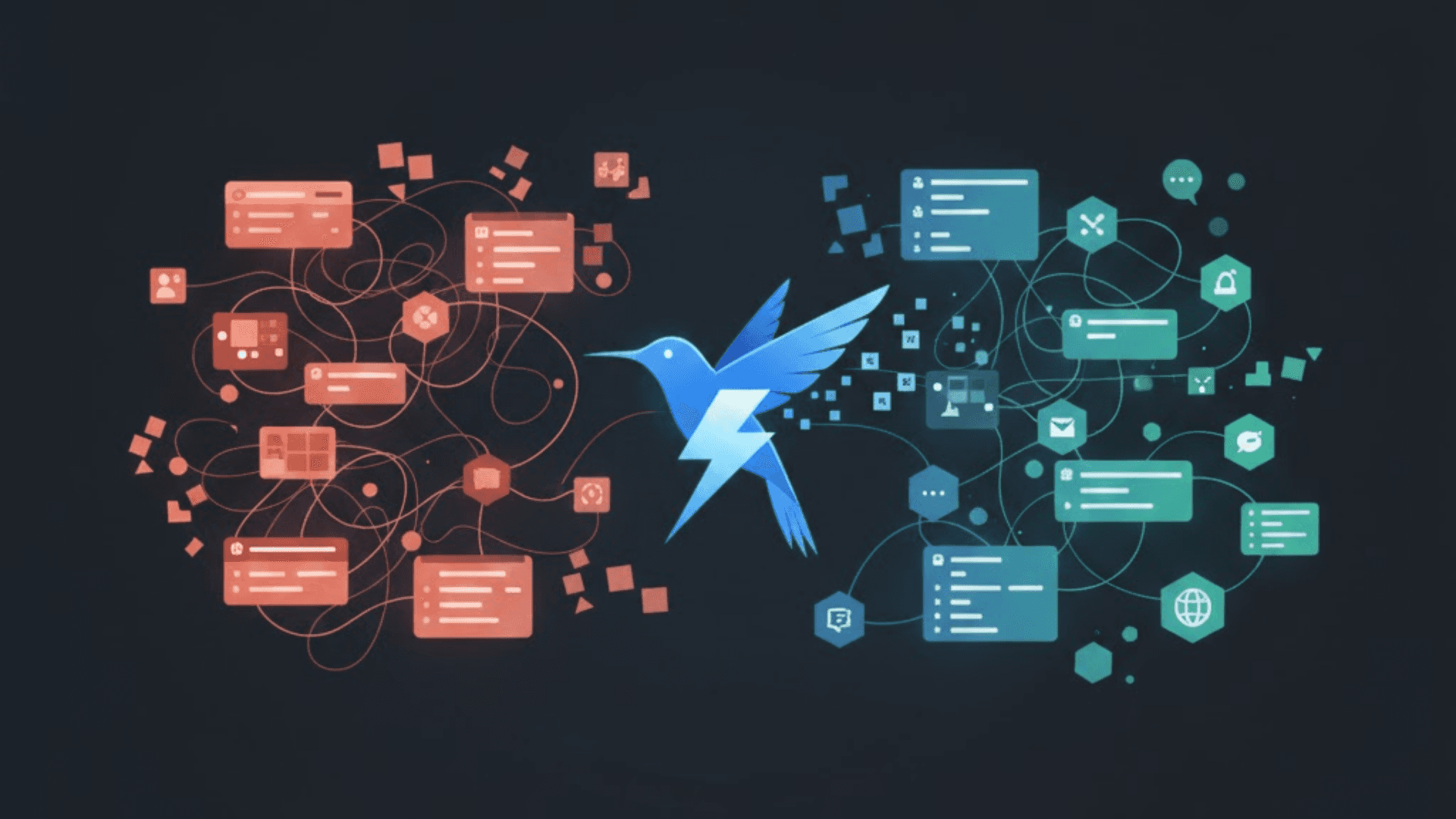
The Natural Friction: A Founder’s Perspective
At Superthread, we’re building a lightning-fast issue tracker that’s actually nice to use. But the inspiration for this company came from a specific pain point: the frequent tension between Developers and Product Managers (PMs).
As a programmer myself, I still have that internal ‘coder’s guilt’, if I’m not writing lines of code, I feel like I’m not working. Many developers share this sentiment, often looking at non-engineers and thinking, ‘What are they actually doing all day?’ On the flip side, I’ve also been a Head of Engineering, a CTO, and a Product Manager. Having sat in both chairs, I’ve seen exactly why these two groups struggle to get along.
3 Core Reasons for the Conflict
1. The Estimation Gap
Developers often underestimate how long a task will take because they’re thinking about the ‘happy path.’ PMs, meanwhile, often don’t see the ‘hidden’ work, the frameworks, unit tests, and refactoring required for a stable release. When expectations don’t meet reality, conflict is inevitable.
2. The Communication & Empathy Vacuum
There is often a mutual lack of respect for the other’s workload.
- Developers might assume PMs are just ‘talking’ and not producing value.
- PMs (especially former devs) might think, ‘I could have coded this in a weekend,’ forgetting how much systems have scaled and changed. Without clear communication of the ‘what’ and the ‘why,’ distrust becomes the default.
3. The ‘Horrible Tool’ Factor
This is the biggest exacerbator. Many companies use massive, clunky issue trackers that are so painful to use that developers end up ‘shadow tracking’ their work in Google Sheets just to avoid the main system.
When the tool is a burden, PMs lose their ‘digital view’ of the company. They can’t see the progress, so they nag the developers for updates, which creates even more friction. At one company, we were so desperate for an overview that we built a physical board 5 meters long because the software couldn’t do the job.
How We Solve the Tension
We believe the right tool shouldn’t just track tasks; it should facilitate a better relationship. Here is how we designed Superthread to bridge that gap:
Agile, Not ‘Waterfally’
Many collaborative tools claim to be Agile but actually force you into a ‘Waterfally’ roadmap where one delay causes a catastrophic cascading effect. Superthread is designed to be un-opinionated. We don’t tell you how to organize; we just provide the flexibility to shape the tool around your unique team.
Speed as a Feature
If a developer has to wait 5 seconds for a page to load, they won’t use it. By making the interface instantaneous (our ‘Hummingbird’ 17ms goal), we remove the friction that leads to shadow-tracking.
Delightful Over Austere
When a tool is delightful to use, people want to be in it. When everyone is actually using the same system, PMs get their high-level overview automatically, and developers are left alone to do what they do best: code.
End the ‘Tool Fatigue’ in your organization.
Stop fighting your issue tracker and start shipping. Experience a workspace that both Developers and PMs actually enjoy. Sign up for Superthread for free
Further Reading & Resources
- The Anti-Bloat Philosophy: Why we prioritize speed over complex features.
- Superthread vs. Jira: Why teams are switching to a faster, cleaner alternative.